DESNZ budget changes don’t have to slow decarbonisation
Summary
The suggestion that the DESNZ budget will be reduced by around £2bn, to support the new Defence budget, has understandably prompted questions about the future of UK decarbonisation. While public investment remains an important part of delivering Net Zero, changes to the DESNZ budget do not need to slow progress. Proven funding models are already helping housing providers, local authorities, commercial and industrial organisations deploy low-carbon infrastructure through private capital, reducing energy costs, improving resilience and accelerating decarbonisation.
The DESNZ budget may be changing – but the need for decarbonisation hasn’t
This week’s suggestion that DESNZ will face a reduction of around £2bn in capital funding has understandably created uncertainty across the energy sector. As organisations consider what the latest DESNZ budget announcement means for future investment, however, four facts have not changed.
- Residents still need affordable energy.
- Businesses still need greater control over energy costs and long-term resilience.
- Housing providers still need practical ways to improve the performance of their homes.
- The UK still needs to accelerate progress towards Net Zero.
The announcement changes the funding landscape. It does not change the challenge.
It also reinforces an important point: delivering decarbonisation funding through a combination of public ambition and private investment will be critical to maintaining momentum.
The UK still needs lower bills and greater energy resilience
The biggest barriers to decarbonisation have never been the technologies themselves.
Solar PV and battery storage are proven solutions. The challenge has been making them affordable and accessible at the scale required.
For commercial and industrial organisations, funded behind-the-meter infrastructure can lower operating costs, improve energy resilience and enable investment in cleaner energy systems without tying up capital that could otherwise be invested in core business priorities.
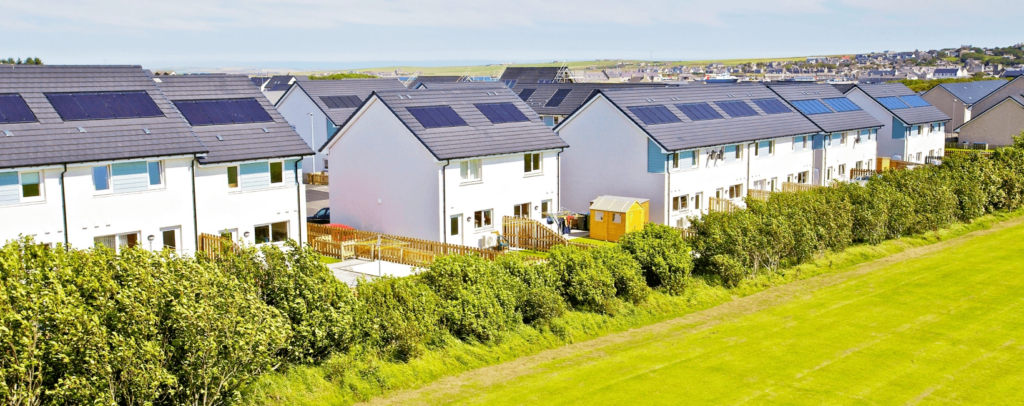
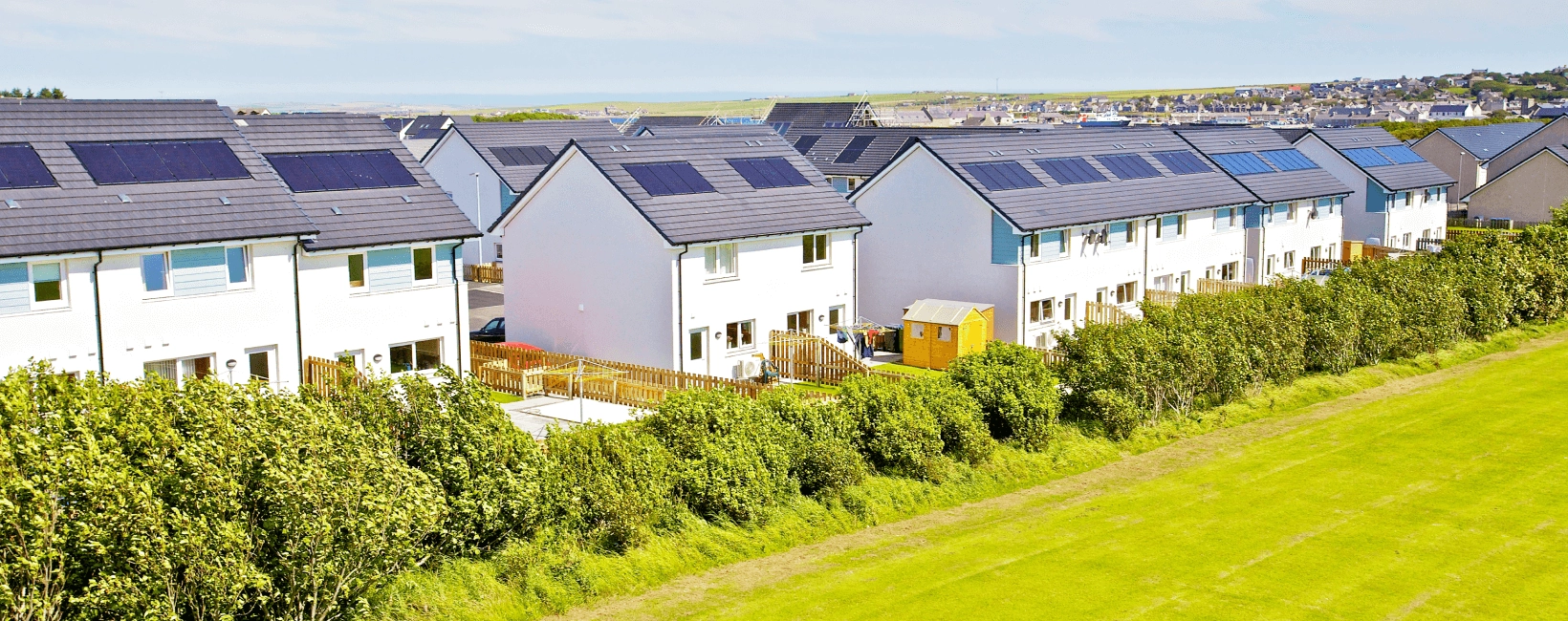
Through Metis by SMS’s model, we’ve also demonstrated that households can install solar PV and battery storage with zero upfront cost while benefiting from significant reductions in energy bills and greater protection against future energy price volatility.
One year into the programme, participating households are achieving average annual gross system savings of more than £1,100 while increasing self-generation and reducing reliance on imported electricity.
These are the outcomes residents and organisations continue to need, regardless of changes to the DESNZ budget.
Private capital can help deliver where public funding is constrained
The latest DESNZ announcement will inevitably require difficult decisions about how public capital is prioritised. However, it also highlights the opportunity to rethink how decarbonisation funding is delivered.
Rather than relying solely on public funding, private capital can enable housing providers, local authorities, commercial and industrial organisations to continue deploying low-carbon infrastructure today.
That means:
- Immediate energy cost savings
- Greater energy resilience
- Reduced carbon emissions
- Flexible funding models that reduce upfront capital requirements
- Reduced reliance on increasingly constrained public funding
Across commercial and industrial sites, flexible funding models such as Power Purchase Agreements (PPAs), leases and fully funded energy-as-a-service solutions can remove capital barriers while supporting long-term decarbonisation objectives.
This approach reflects SMS’s wider proposition of funding, delivering and optimising low-carbon energy infrastructure that reduces costs, strengthens resilience and helps organisations make measurable progress towards Net Zero.
We don’t need to wait to make progress
Changing public spending priorities should not become a reason to delay action.
Housing providers continue to face pressure to improve the energy performance of their homes, reduce carbon emissions and deliver social housing decarbonisation while supporting residents through ongoing cost-of-living challenges.
Commercial and industrial organisations face similar pressures, balancing rising energy costs, decarbonisation commitments and investment priorities while strengthening operational resilience.
Solutions that remove upfront financial barriers already exist. By combining private funding with scalable delivery, organisations can continue making progress without waiting for future grant programmes or additional public investment.
The transition to a lower-carbon energy system can continue even as the DESNZ budget evolves.
Read more: The energy price cap has risen again. Low-carbon retrofit is how we respond differently.
Practical routes to net zero remain available
The UK’s ambition to reach Net Zero remains unchanged.
Achieving that ambition will require innovative approaches to decarbonisation funding that complement public investment and make low-carbon technologies more accessible to more people.
By combining private capital, proven low-carbon technologies and end-to-end delivery, organisations can reduce energy costs, strengthen energy resilience and accelerate decarbonisation through funding models tailored to their operational needs and long-term objectives.
The DESNZ budget may be changing.
Our ambition to accelerate the UK’s transition to a low-carbon future is not.
Find out more
SMS Low Carbon helps housing providers, local authorities, commercial and industrial organisations fund, deliver and optimise low-carbon infrastructure through flexible funding models that reduce energy costs, improve resilience and accelerate decarbonisation.
Contact us to find out more about our Low Carbon solutions.